Translating....
There Is Within Human Nature An Amazing

There is within human nature an amazing potential for goodness.
Cite this Page
Prevent plagiarism by providing proper attribution.Embed this Quote
Copy this HTML code to embed the quote on your website or blog.Quote Context & Analysis
The Meaning
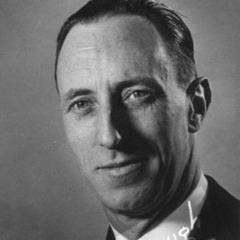
Martin Luther King, Jr.'s assertion that "there is within human nature an amazing potential for goodness" is a cornerstone of his theological and philosophical framework, profoundly influencing his strategy for social change. This statement represents a radical optimism, not a naive denial of evil, but a deeply held conviction in humanity's inherent capacity for compassion, justice, and altruism. For King, this potential was divinely endowed, reflective of the imago dei, the idea that humans are made in the image of God. It implies that goodness is not an external imposition but an intrinsic, albeit often latent, aspect of the human condition. This belief allowed him to advocate for nonviolent resistance, as it presupposed that even those perpetrating injustice could, through persistent moral appeal and direct action, be awakened to their own potential for goodness and ultimately choose love over hate, justice over oppression. It is a call to recognize and cultivate this potential within ourselves and to appeal to it in others, even amidst profound conflict and suffering.
Historical Context
This quote emanates from the crucible of the American Civil Rights Movement, a period defined by systemic racial segregation, violence, and profound injustice. Martin Luther King, Jr., as a pastor, theologian, and leader, articulated this vision consistently throughout the late 1950s and 1960s. He faced immense hatred, threats, bombings, and the assassination of allies, yet he never wavered in his fundamental belief in the possibility of redemption and the eventual triumph of love. This conviction was crucial for sustaining the movement's morale and its commitment to nonviolence, even when met with brutal force. Philosophically, King drew from Christian ethics, particularly the concept of agape (unconditional love), as well as the teachings of Mahatma Gandhi on Satyagraha (truth-force or nonviolent resistance). His life situation was one of constant struggle and immense pressure, bearing the hopes and fears of millions while simultaneously being a target of state and societal hostility. Amidst this turmoil, his repeated emphasis on humanity's potential for goodness served as both an inspirational rallying cry and a philosophical justification for his unwavering faith in the ultimate success of the moral struggle.
Modern Application
The wisdom embedded in King's assertion holds immense practical applicability in contemporary life, leadership, and business. In leadership, adopting this perspective means operating with an assumption of positive intent, fostering trust, and investing in the growth and development of team members. It encourages leaders to seek common ground, resolve conflicts through empathy, and believe in the capacity of individuals to contribute positively, even when challenges arise. For modern business, this translates into ethical corporate governance, prioritizing stakeholder value beyond mere profit, fostering inclusive work environments, and engaging in corporate social responsibility. A business that believes in the potential for goodness will naturally gravitate towards sustainable practices, fair labor, and community engagement, recognizing that these actions resonate with the deeper human desire for meaningful contribution. Personally, this quote encourages individuals to resist cynicism, practice forgiveness, engage in community service, and cultivate their own moral compass. It reminds us that despite the prevalence of self-interest and discord, tapping into our shared potential for goodness remains the most potent force for building a more just, compassionate, and prosperous society.